Invest
The Climate Loan
Climate-positive Chocolate
Good for the Planet & You
Interest rate and term
6.10% interest
per year
June 30, 2036
End of term

Here's how it works
Fill out form
We will create a personalized contract using your data.
Sign
Print out the contract in duplicate and sign both copies. Then, please send us both copies by mail.
Deposit
Once we have countersigned the contract, we will send it to you along with a payment request. Please then transfer the amount to the account we provided.
Interest Payment
For every €1,000 you lend us today, you will receive €61.50 in interest each year until repayment begins.
Repayment
Repayment begins on 01/01/2031 and will be made in 12 installments (2 payments per year on 01/01 and 30/06) until the end of the term (30/06/2036). From January 2031, you will therefore receive a constant payment consisting of interest and repayment (a so-called annuity) of €102.00 per €1,000 invested.
In the end, for every €1,000 you invest, you will receive €1,477.58 back.
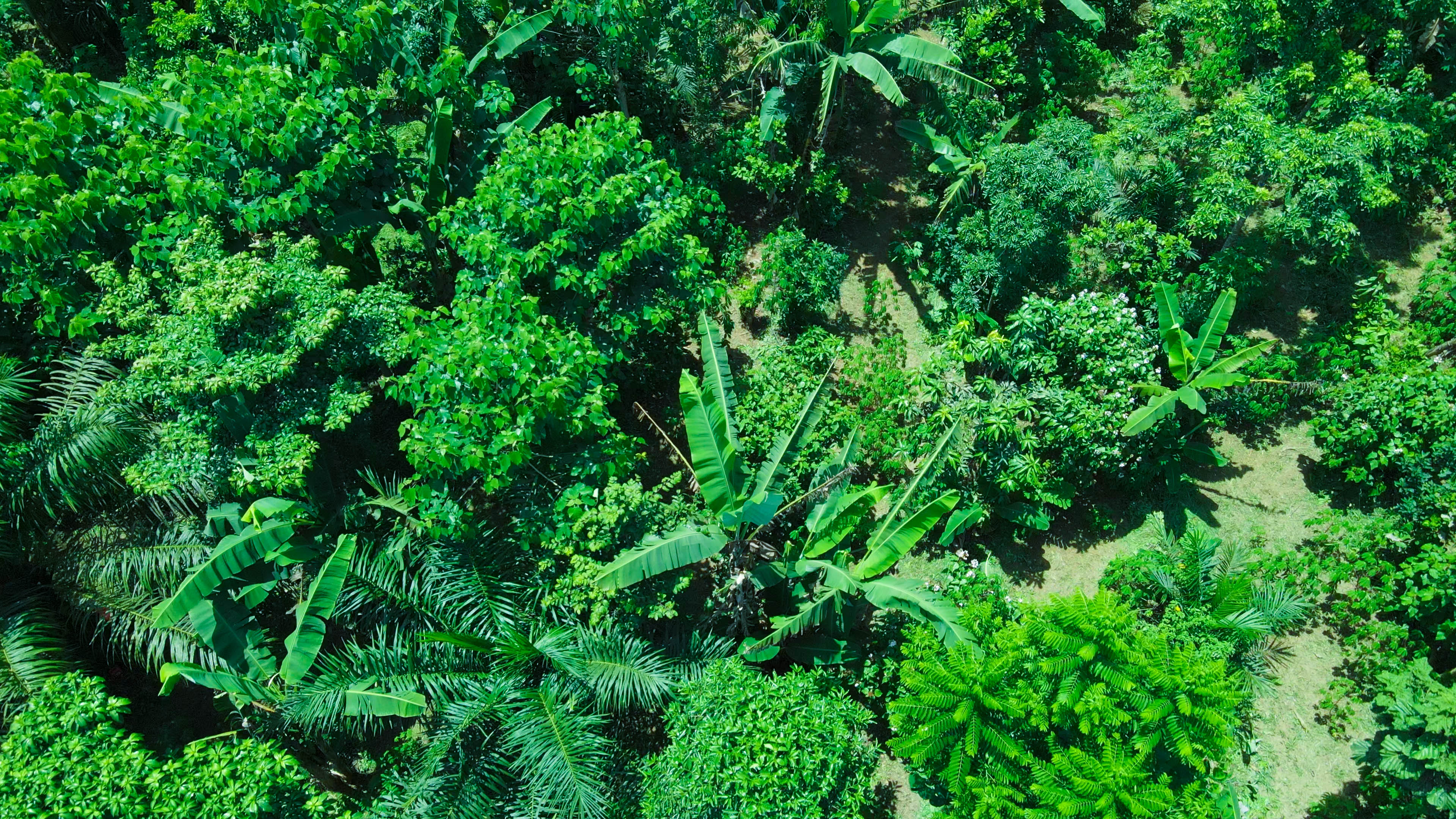
fairafric can, in the long term, store up to 3x more CO2 in the soil than is emitted throughout the entire value chain.
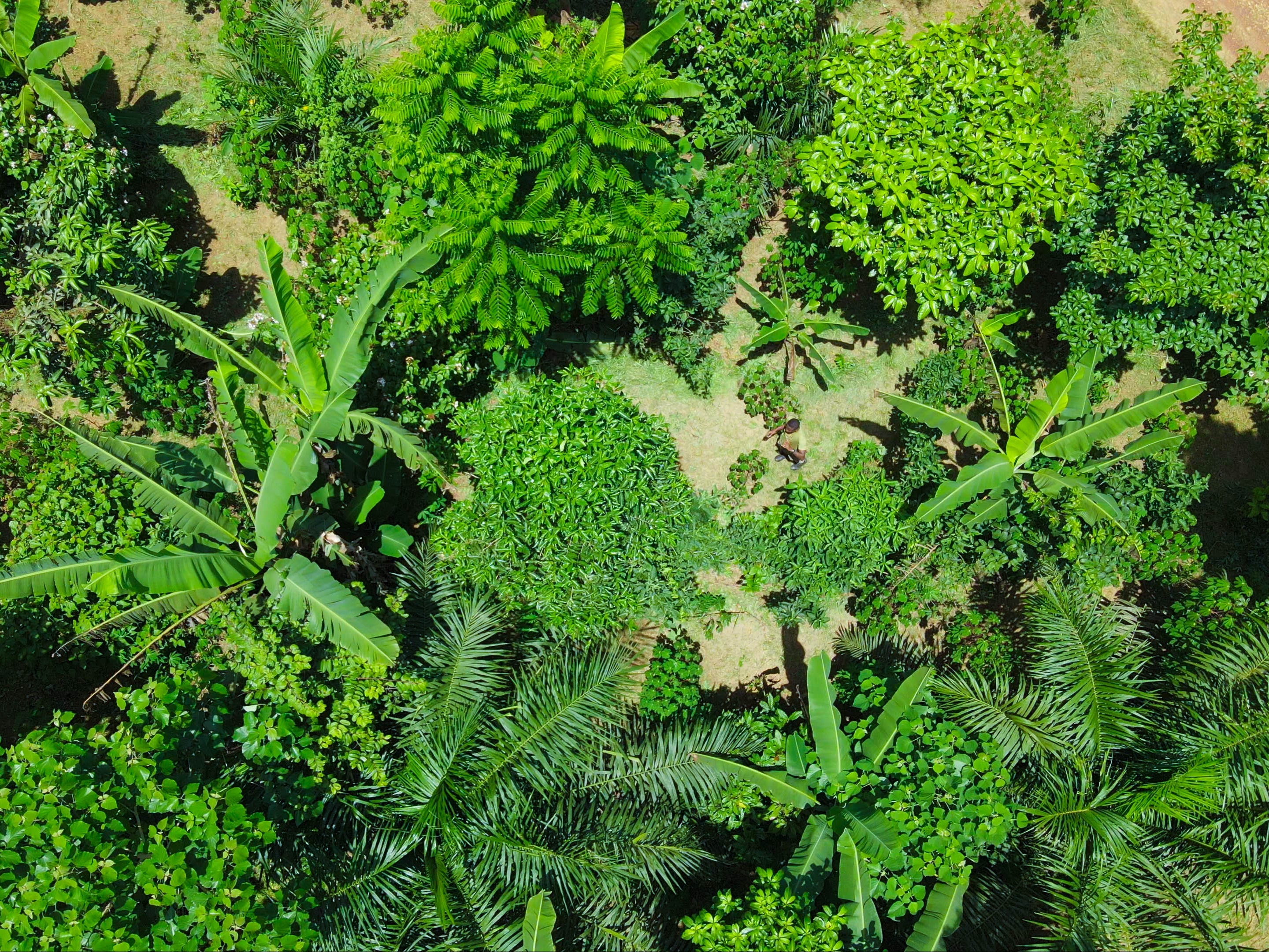
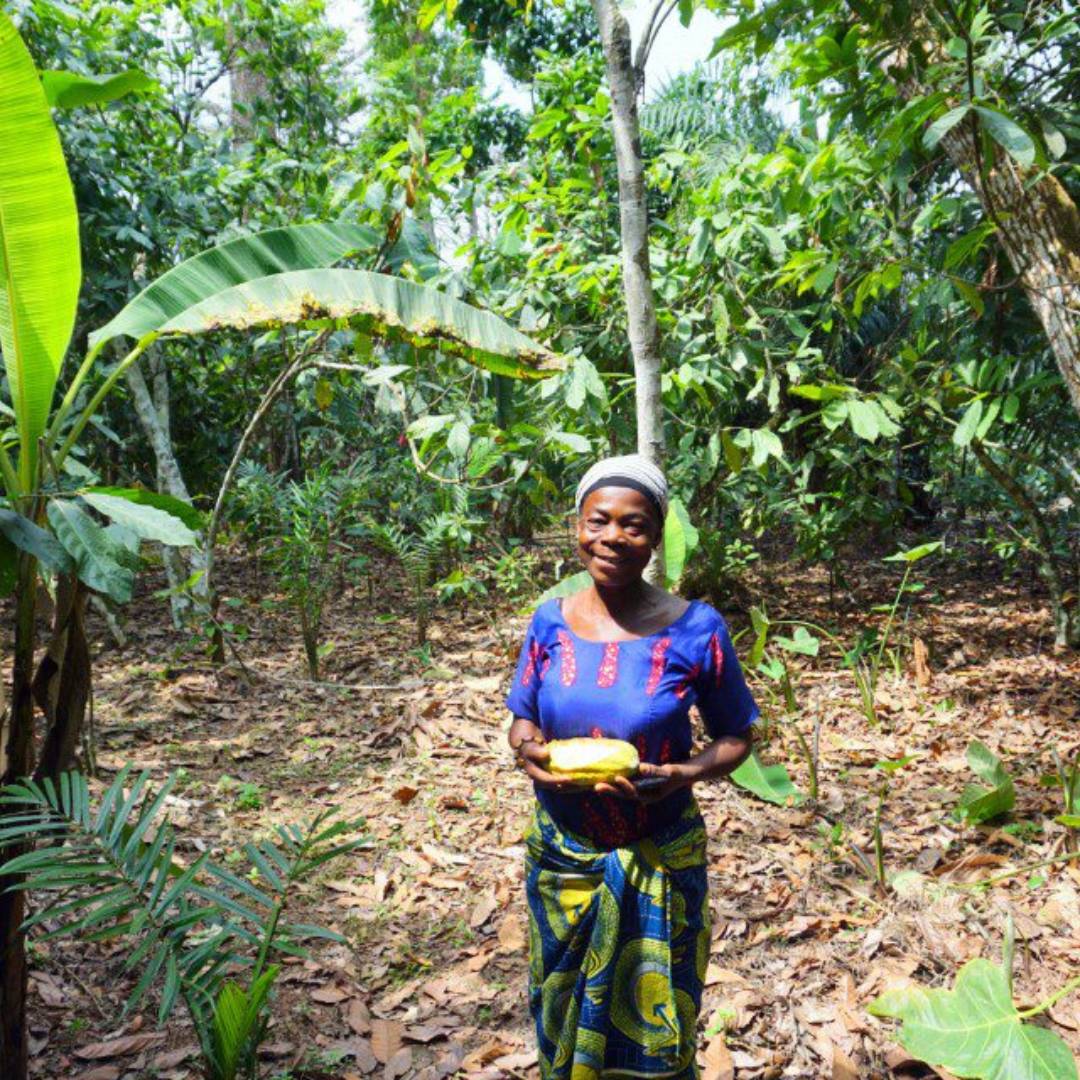
Above is a picture of a DAF farm from our partner Serendipalm.
(Copyright: Courtesy of Serendipalm and Dr. Bronner’s)
The huge advantages of DAF
Climate positivity
Once fairafric sources cocoa from DAF farms, the carbon footprint of each chocolate bar is stored 4 times in the soil.
Farm income
By cultivating other cash crops such as mangoes, avocados, and coconuts, farmers can significantly increase their income.
Soil quality
The farm will become more resilient to pests, diseases, and climate change, and the soil quality will be improved in the long term.
What has already been achieved
Fairafric purchased the first quantities of organic cocoa from DAF in 2024. In 2025, this volume was significantly expanded.
Over 500 cocoa families are already participating in the DAF initiative.
fairafric's Path to Climate Positivity
What is climate positivity?
Climate-positive means that more climate-damaging emissions (e.g., CO2) and impacts are sequestered than are caused.
Fairafric's goal is to leave the earth in a better condition than it was before our operations. This not only concerns CO2, but also, among other things, soil fertility, water retention, the highest possible biodiversity of plants and animals, resilience to climate change, and the production of healthy products.
What is Dynamic Agroforestry (DAF)?
The Dynamic Agroforestry (DAF) cultivation method is based on the knowledge of indigenous peoples of Latin America and combines many elements of regenerative agriculture or permaculture. The plants are grown at various levels (shrubs, semi-standards, etc.) of the forest, and different local tree species are planted: crops, biomass trees, shade trees, etc. A main goal is to produce a lot of biomass to improve soil quality. Therefore, not only cocoa is cultivated, but also other tree and plant species such as cashew, mango, pineapple, etc., which can be processed by fairafric. By generating biomass, a large amount of CO2 is sequestered in the long term. Significantly more than what is emitted throughout fairafric's entire value chain.
How does fairafric intend to achieve climate positivity?
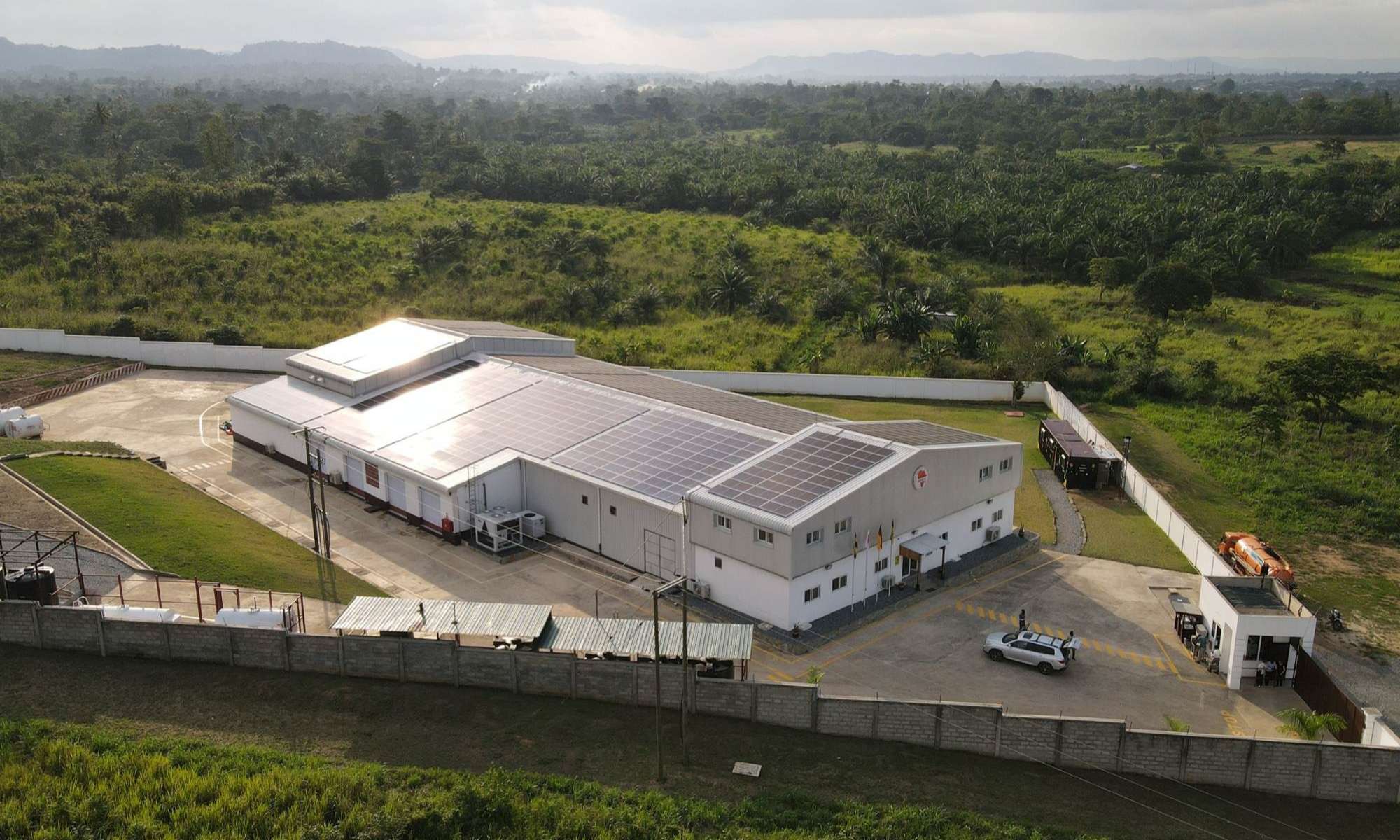
Thanks to its own solar-powered factory, fairafric emits significantly fewer emissions than other chocolate manufacturers. Nevertheless, unavoidable emissions (e.g., in logistics) are generated. Until now, these have been offset by supporting climate projects in West Africa.
However, our big goal is to leave the environment in our own value chain better than we found it.
That's why fairafric now sources cocoa from a Dynamic Agroforestry (DAF) project in Ghana. According to initial external analyses by experts, fairafric can thus bind 3 times as much CO2 in the soil long-term as is emitted in the value chain!
How is cocoa conventionally grown?
Cocoa is one of the most important cash crops in West Africa. Due to a lack of alternatives and to generate income for the family, land is often cleared and then planted with as many cocoa trees as possible. After a few years of intensive cultivation, the soil's nutrient reserves are depleted, necessitating the heavy use of artificial fertilizers and pesticides. In Ghana, conventional cocoa farming is responsible for the deforestation of 25% of the rainforest.
What is the connection between cocoa farming and climate change?
The deforestation of rainforests releases large amounts of CO2. Furthermore, the cultivation of monocultures and the massive use of pesticides degrade soil quality, leading to a reduced capacity for water and carbon sequestration.
Advancing climate change, in turn, leads to significantly altered weather conditions and an increase in climate disasters. As conventionally grown cocoa trees show significantly lower resilience, harvest failures are already occurring for conventional cocoa, while yields from regenerative farming methods like DAF are barely affected because the plants are healthier and exhibit high resilience.
What advantages does DAF have compared to conventional cocoa farming?
The cacao tree is a shade-loving plant. This means that the cacao tree needs larger trees (e.g., palms) above it to shade it and help it grow and thrive optimally. At DAF, therefore, care is taken to ensure that the trees and plants next to the cacao trees provide sufficient shade and supply the nutrients the cacao tree needs. A wide variety of plants is necessary for this symbiosis. This symbiosis promotes biodiversity, increases the yield per tree, improves soil fertility and water retention capacity, and the biomass trees actively store CO2 in the soil.
How significant is the climate effect?
Initial analyses by external experts have determined that by storing biomass in the soil, fairafric can store up to 3x more CO2 in the long term than is emitted throughout the entire value chain.
Can one view this in person?
With our new Visitor Center, we also want to give our customers the opportunity to gain a deep insight into our operations. The factory tour will be combined with a visit to our farmer communities, all in one day! Unique in the world!
What does this mean for farmers?
1. Higher Cocoa Premium
In addition to the highest organic premium ($792/tonne) in West Africa, fairafric pays farmers a climate premium of $250/tonne. For each tonne of organic cocoa from DAF, cocoa families therefore receive $1,042. This is many times the regular organic premium ($300/tonne) or other certifications such as Fairtrade ($240/tonne).
2. Diversification of Income
Cultivating multiple crops helps diversify income and allows for earnings even outside the cocoa harvest season.
3. Better Soil Quality & Resilience to Climate Change
By improving soil fertility and leveraging other benefits of DAF for the soil, plants become significantly stronger and more resistant to environmental influences. Additionally, soil quality enhances the quality and yield of the fruits. This enables long-term and sustainable natural management of the land.
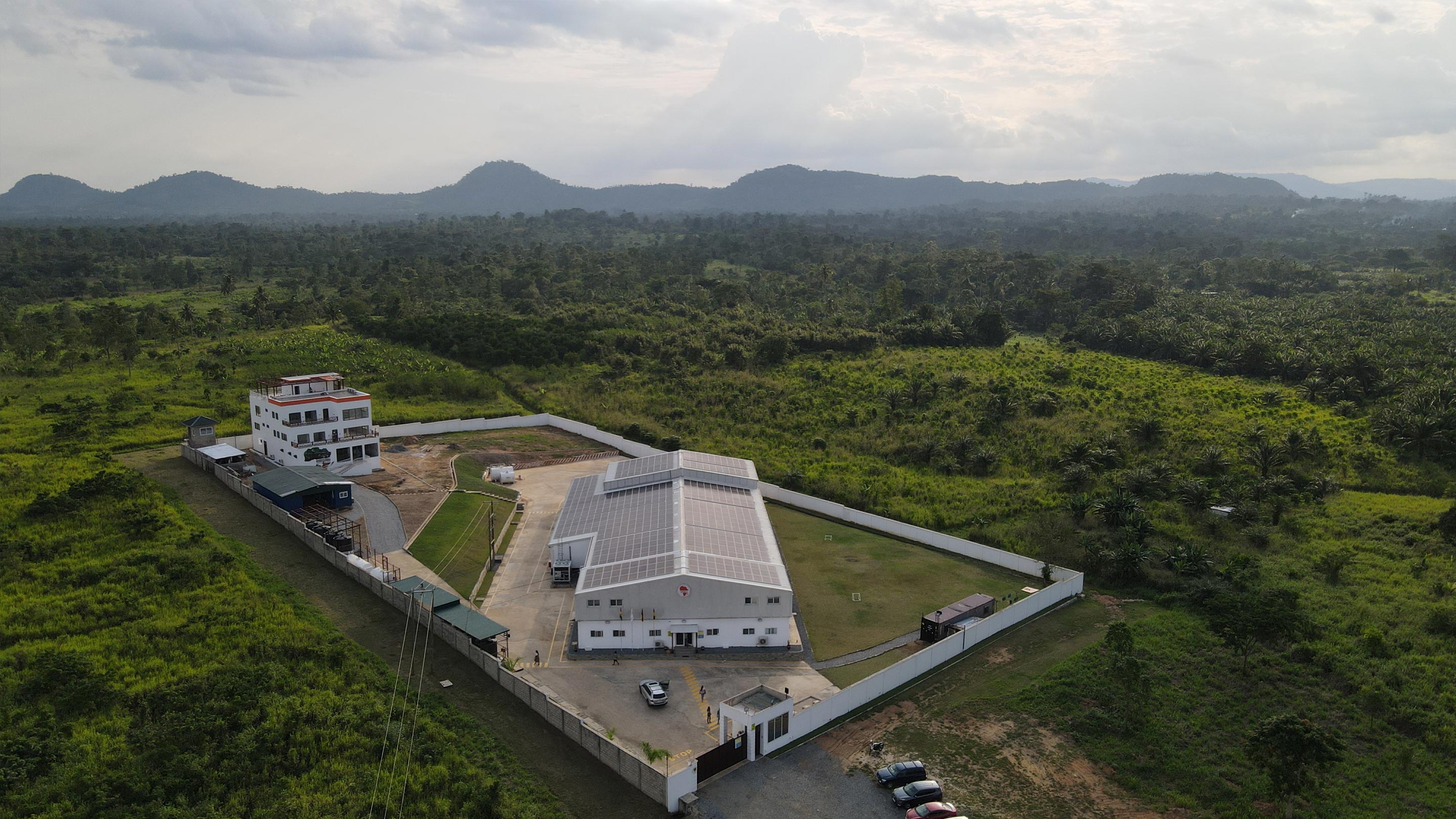
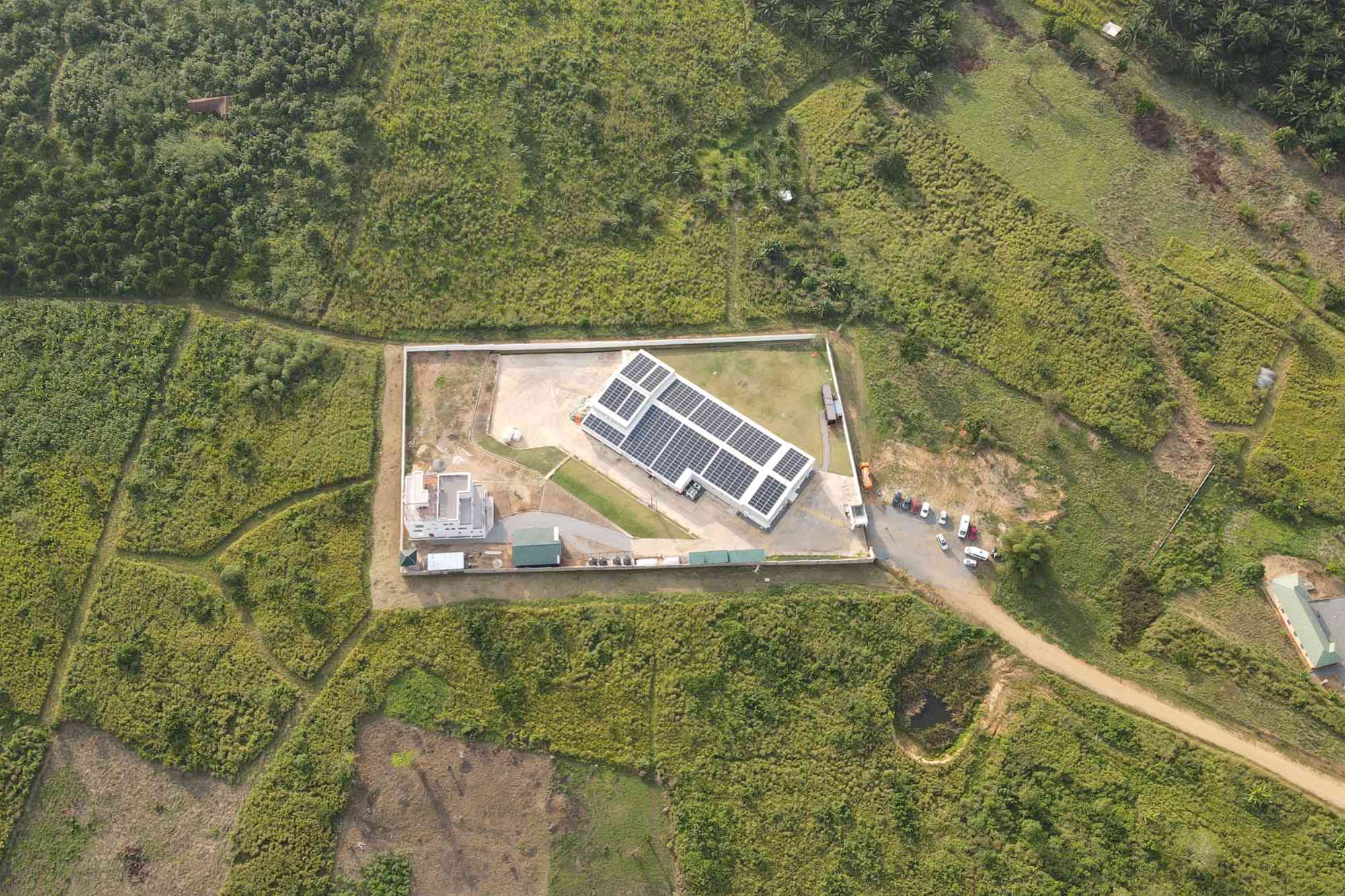
It is the world's first solar-powered organic chocolate factory
#roadtoclimatepositive:
#roadtoclimatepositive: How can the impact be increased?
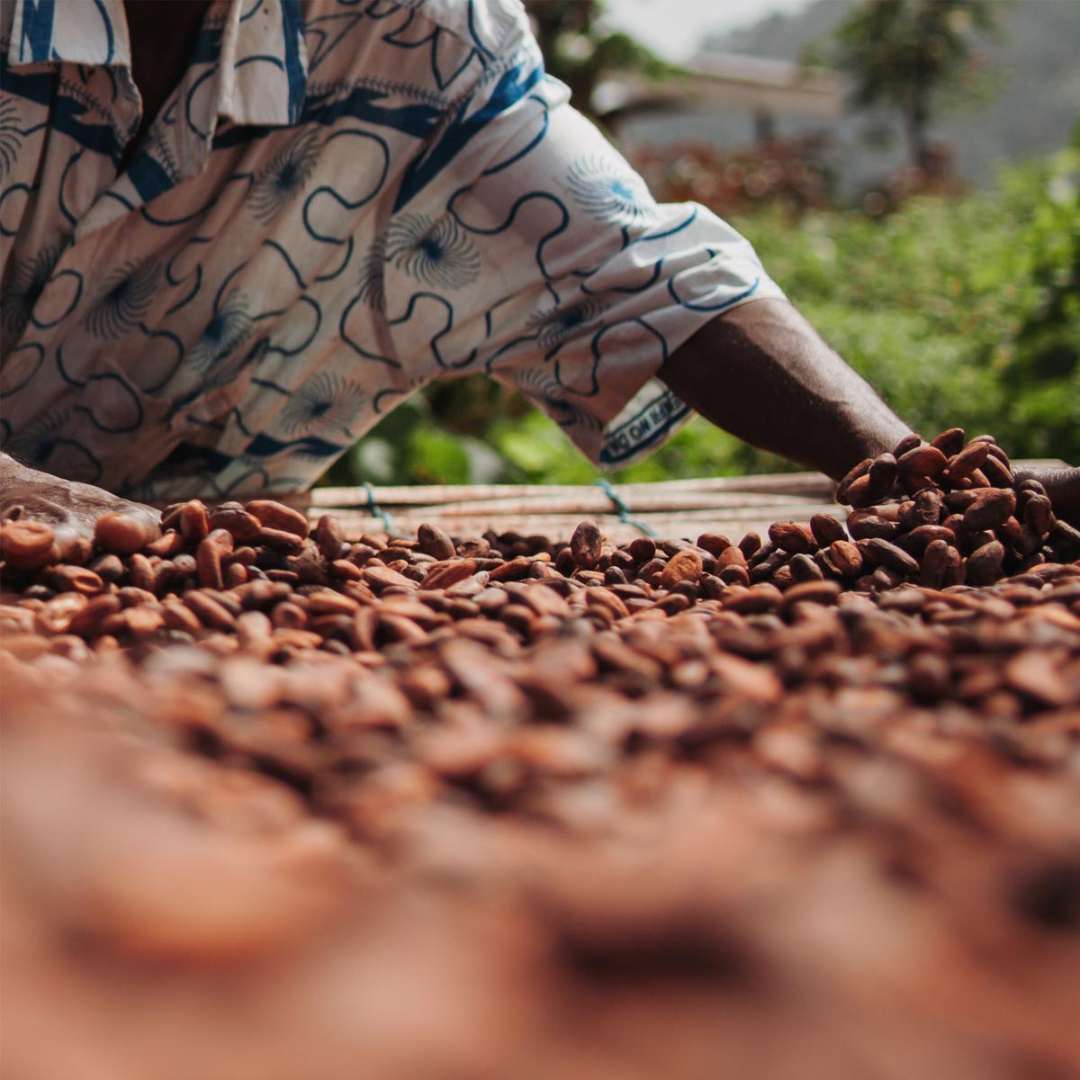
Pre-financing
fairafric pre-finances our cooperative. A task that the Ghanaian government used to take on, but can no longer afford, partly due to the high cocoa prices.
Pre-financing is the most important factor in enabling income stability for cocoa families.
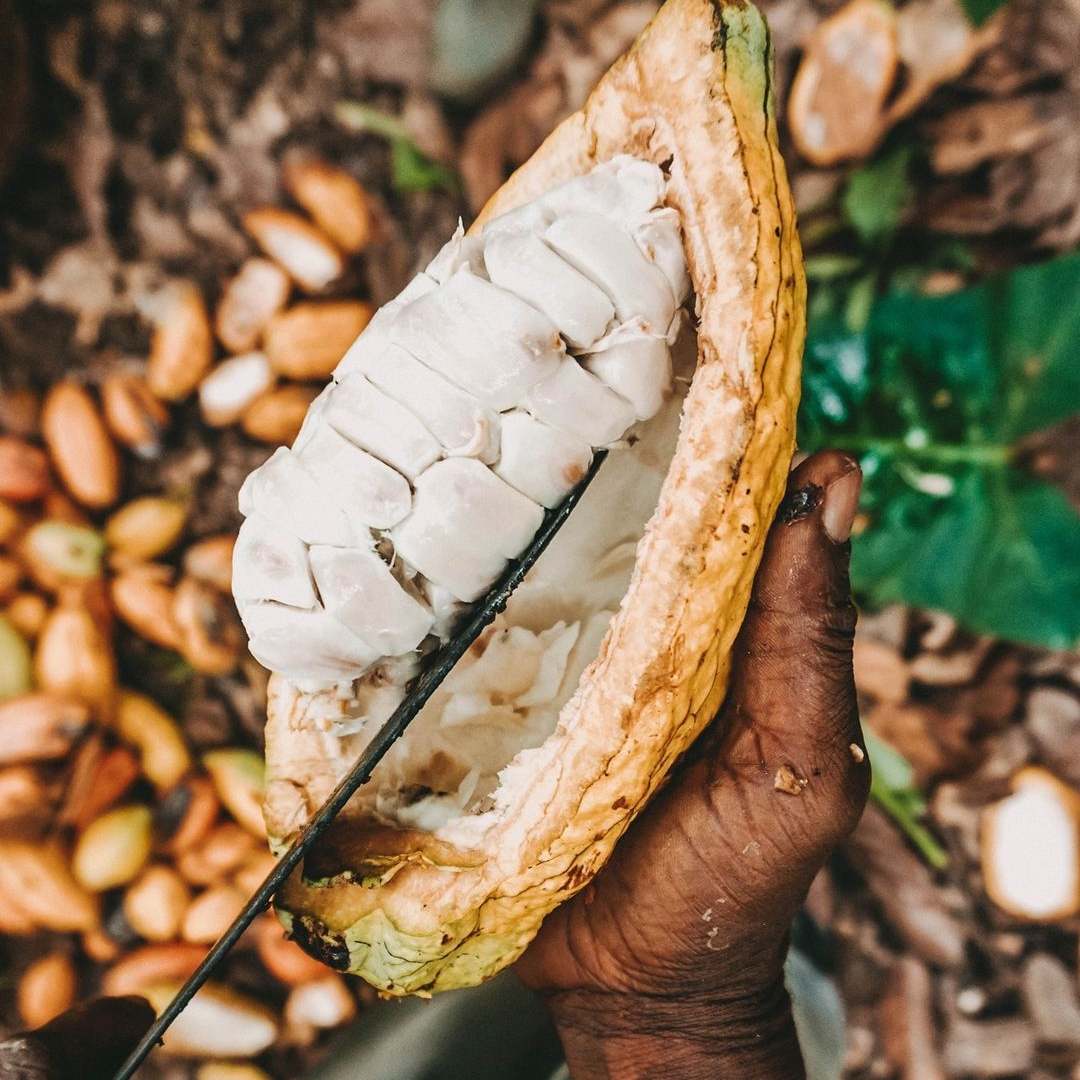
Organic premiums
fairafric pays the highest organic premium in West Africa:
For one ton of organic cocoa from dynamic agroforestry, cocoa families receive $1,042 (more than four times the Fairtrade premium).
The premium is set jointly with the cocoa families each year.
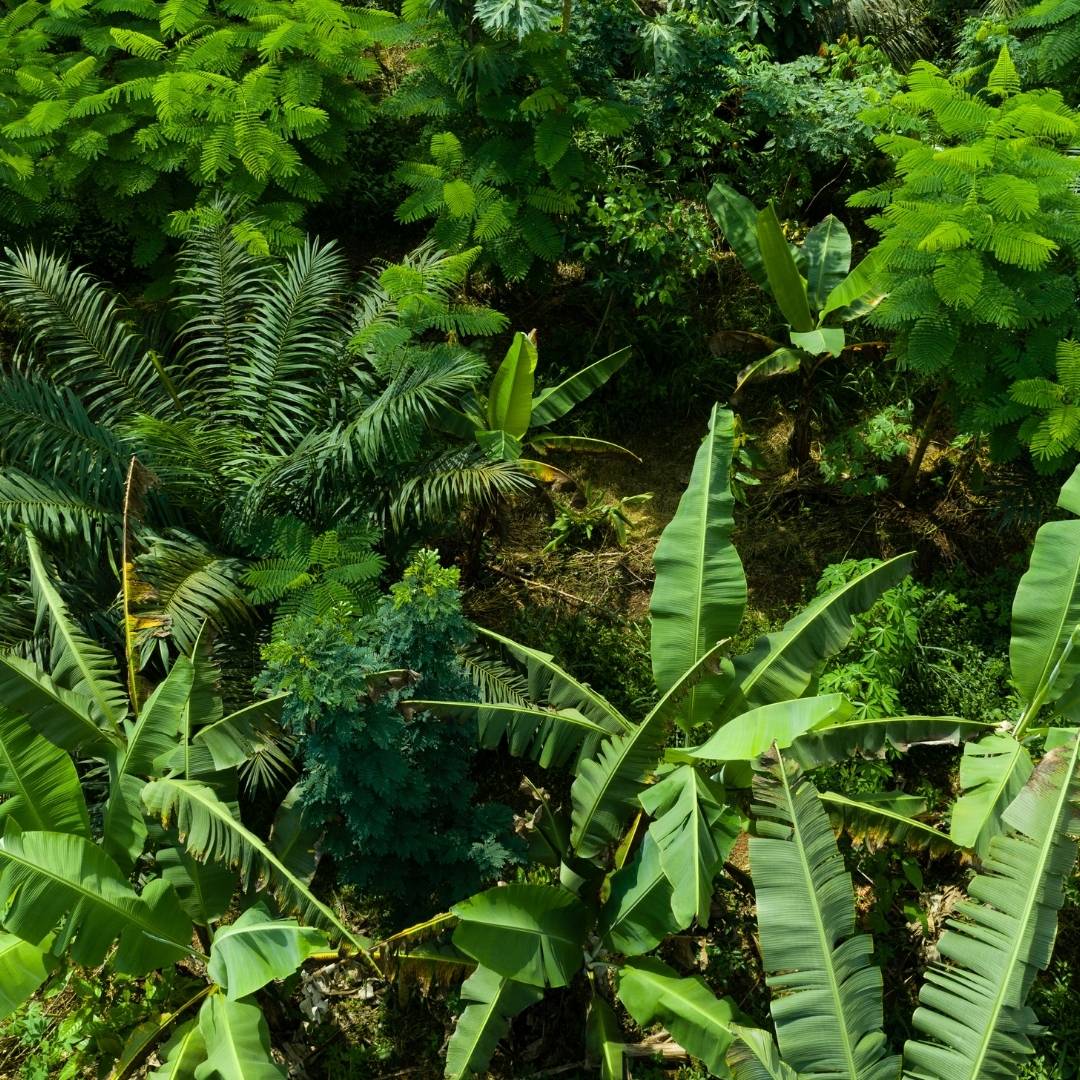
Reforestation
Together with our cooperative Serendipalm, we are committed to ensuring that even more farms switch to DAF and that regions are reforested.
Over 500 cocoa families are already part of the DAF initiative.
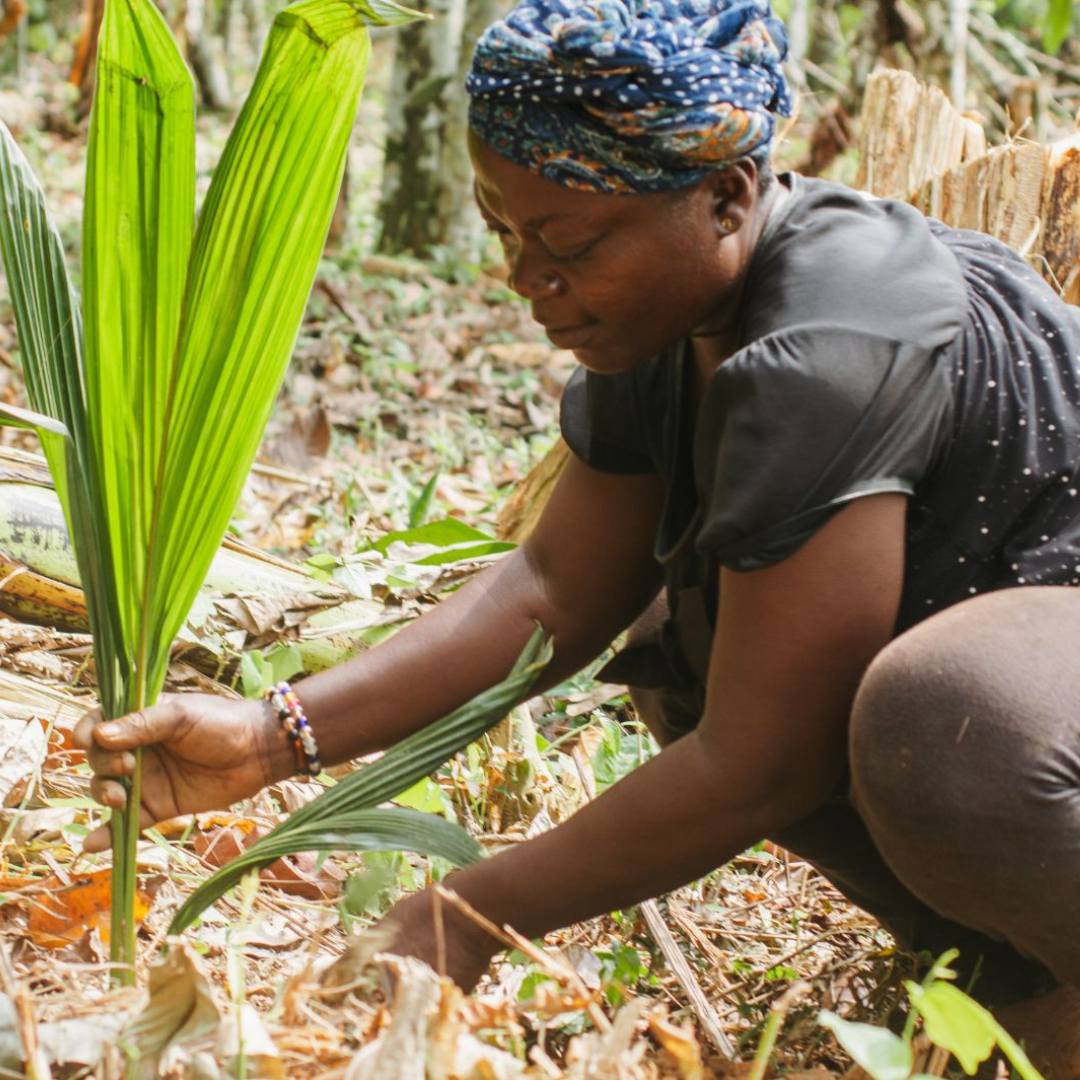
Training
A team of experts supports the cocoa farming families and helps them implement rainforest principles in their cultivation, increase yields and improve soil fertility.

Diversification of income
Together with our cooperative Serendipalm, we promote the cultivation of other cash crops such as pineapple, mango, and cashew. fairafric connects cocoa families with processors for these fruits and purchases them for its own production.
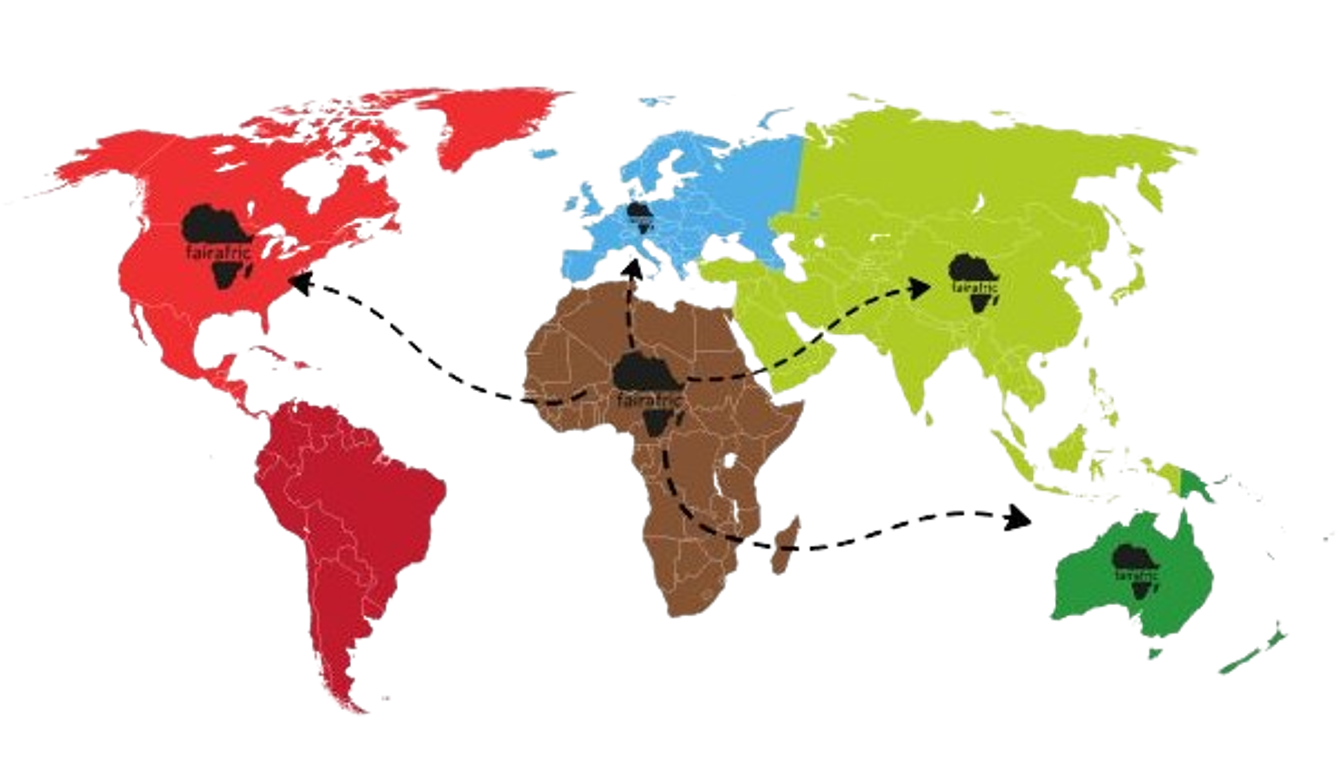
Made in Ghana
Made in Ghana for the whole world
fairafric products can be found on 5 continents, and demand continues to grow rapidly.
To the productsFrequently Asked Questions about fairafric
fairafric since its founding
2015
First official meetings between Hendrik and cocoa farmers and processors in Ghana.
2016
First Kickstarter campaign
Founding of fairafric GmbH
First production
2017
Second Kickstarter campaign
Successful organic certification of the entire value chain
Switch from 20g bars to 100g bars
2018
Third Kickstarter campaign
Climate-neutral certification
Founding of fairafric Foundation
First Seedrs campaign with 264 private individuals
2019
Decision to build a larger chocolate factory on our own. Entry of Ludwig Weinrich and claro fairtrade AG. Won the Lammsbräu Sustainability Award
2020
Construction of our new chocolate factory in Amanase in 5.5 months.
2021
fairafric GmbH becomes fairafric AG. First convertible bond with €990,000 and first share issue of €999,589.80 sold out. Over 2,000,000 chocolate bars produced.
2022
Finalist of the German Sustainability Award 2022.
2023
Entry into the B2B business with chocolate drops. Vegan cashew-based milk chocolate. First contract productions in the USA.
2024
fairafric sources the first smaller quantities of cocoa from Serendipalm from Dynamic Agroforestry. The first phase of the journey to climate positivity is successfully completed. Over 100 new jobs, over 200 people employed at fairafric Ghana.
2025
fairafric increases the quantities of cocoa from Dynamic Agroforestry and builds its own cocoa bean processing plant. Turnover almost doubled. Another 100 jobs, almost 300 people employed at fairafric Ghana.
Who is behind fairafric?
fairafric's owners are the founding team, our 1244 shareholders from among our customers, Ludwig Weinrich GmbH, claro fair trade AG, Third Way Capital (a Ghanaian impact investor), as well as our team and the cocoa farmers of our partner cooperative.
What exactly is the money used for?
In 2026, we will purchase cocoa for over €2.5M.
This cocoa is to be sourced from the dynamic agroforestry project. To ensure this, fairafric provides pre-financing for the harvest and pays the highest organic premium in West Africa to our cocoa families.
Additionally, fairafric aims to promote the planting and conversion of further farms to DAF and to increase yields from existing DAF farms.
Every euro invested binds CO2 in the soil long-term and creates jobs in Ghana!
When will the break-even point be reached?
fairafric AG achieved profitability by the end of 2025. From 2026, we also expect the fairafric Group to operate profitably. The exact timing of this depends heavily on the development of the world market price for cocoa.
Can one view this in person?
With our new Visitor Center, we also want to give our customers the opportunity to gain a deep insight into our operations. In 2025 alone, more than 1,800 people visited us. The factory tour is combined with a visit to our cocoa communities, all in one day!
Unique in the world!
Frequently Asked Questions about the Climate Loan
How exactly is the interest paid?
For every €1,000 you lend us today, you will receive €61.00 in interest each year.
Repayment begins on 01/01/2031 and will be made in 12 installments (2 payments per year on 01/01 and 30/06) until the end of the term (30/06/2036). From January 2031, you will therefore receive a constant payment consisting of interest and repayment (a so-called annuity) of €102.00 per €1,000 invested.
In the end, for every €1,000 you invest, you will receive €1,477.58 back.
How long do I have to invest?
The campaign will run until €99,000 has been subscribed.
The first climate bonds from fairafric sold out within a short period of time. We therefore expect that the bonds will be fully subscribed quickly. We process subscriptions based on their time of receipt.
What is the tax situation?
We do not share any information about our investors with tax authorities. You simply declare the interest you have received on your tax return.
If you would like to lend us money interest-free, please send us a short email. This is also possible, of course, and supports us even more.
Is my money safe?
As the loan is unsecured, you may lose your entire investment.
Therefore, under no circumstances should you invest money that you absolutely need.

What is the difference between DAF and conventional cocoa
The Management Team in Ghana

Michael Marmon-Halm
Managing Director Ghana
Michael brings over 12 years of experience in Ghana's cocoa industry and has a degree in quality management.
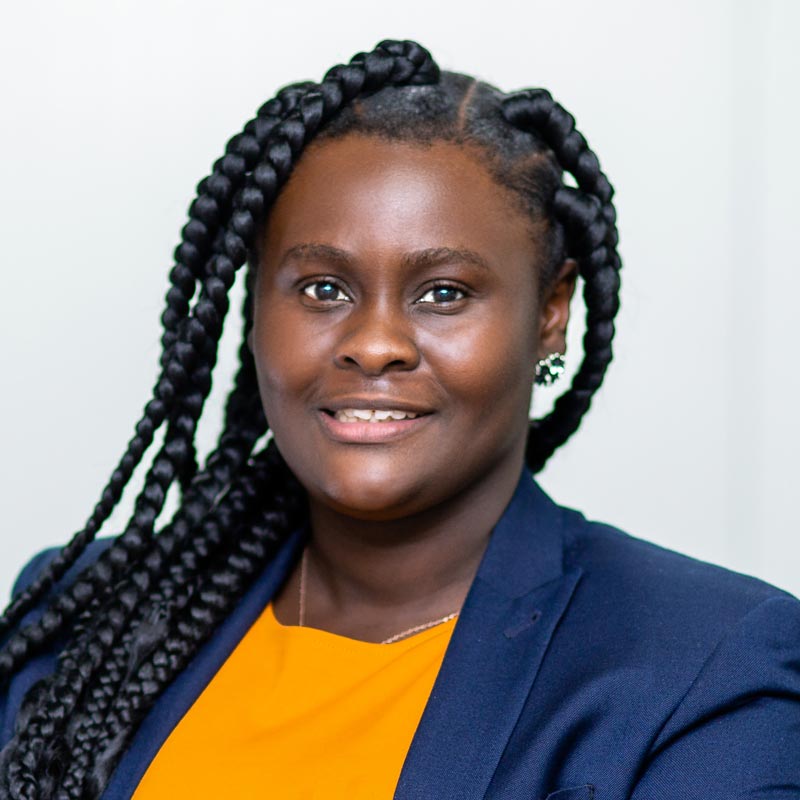
Griselda Esther Ossei
Supply Chain Manager
Griselda brings a wealth of experience in accounting and supports strategic planning and implementation for the fairafric brand, marketing, HR, and operations in Ghana.
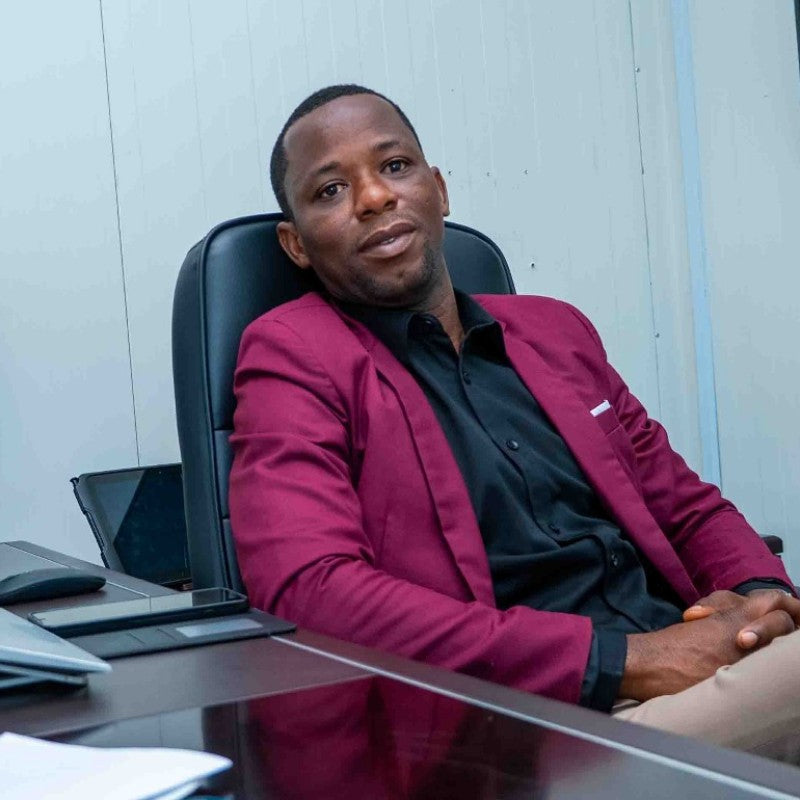
Elvis Dasi-Kisseh
Operations Manager
Elvis leads the Operations department (production, engineering, logistics) at fairafric and has over 10 years of experience in the cocoa industry.

Audrey Marmon-Halm
Quality Manager
Our Quality Manager Audrey brings 11 years of professional experience in quality control and quality assurance.
Convinced?
Do you want to be part of the biggest chocolate revolution of all time and make the first climate-positive chocolate possible with your investment?
Then enter your details in the following form for our Climate Loan: